Why I go to the gym - even though I don’t love it
Last year I started going back to the gym after a long break. It's not something I particularly love. I know people who genuinely enjoy lifting heavy things and find it fantastic for their mental health. I'm not one of them.
I love dancing. I love yoga, Pilates and barre. I love walking, rock climbing and snowboarding (although it's been a very long time since I've done the last two). But despite all of that, I found myself back in the weights room.
Last year I noticed that my clothes weren’t fitting as well as they used to. I didn’t weigh myself for a long time but I know the scale was fairly consistent. I have started weighing myself again, not in order to fuel my sense of self, but as information to be analysed. And the numbers on the scale were getting bigger. I know this is all something that can happen at this time of life (hello perimenopause!), but I’ve also seen a lot of examples of it not happening. Of people being in the best shape of their lives post menopause or travelling through the journey well, so I started to learn more about how to do it well. One of the things that kept coming up, over and over again, is weight training.
So, what is weight training?
At its simplest, weight training involves working your muscles against a resistance that is challenging enough to encourage them to adapt and become stronger. That resistance might come from dumbbells, barbells, kettlebells, machines, resistance bands, your own body weight, or even springs, as used in Pilates equipment. You may also hear the term "resistance training", which is a broader category. Weight training is one form of resistance training, but resistance can come from many sources, not just weights.
Walking and swimming are fantastic forms of exercise and offer many health benefits (especially for your cardiovascular fitness), but they generally don't provide enough resistance to significantly build or maintain muscle mass and bone density as we age. That's where resistance training fills an important gap.
One area that seems to generate endless debate is how heavy is "heavy enough". Depending on who you ask, the answer ranges from "anything that feels challenging" to "if you can do more than eight repetitions, it's too light". Personally, I think the answer depends on where you're starting from. For someone who is new to exercise, recovering from injury or surgery, managing pain, or returning after a long break, bodyweight exercises, resistance bands, or Pilates may provide exactly the level of challenge needed to stimulate strength gains. I've certainly found Pilates invaluable at times, helping me rebuild strength, stability, and confidence before returning to heavier gym work.
As your body adapts, however, it generally needs a greater challenge to continue progressing. What feels heavy today may feel easy six months from now. The goal isn't necessarily to lift the heaviest weight in the room, but to continue providing your muscles and bones with enough challenge that they have a reason to stay strong.
Why is weight training important, especially at this time of life and beyond?
Bone strength: As we get older, especially as women, bone density can become more important. From early childhood until our late 20’s we are actively increasing our bone density, and from this point onwards it starts breaking down faster than it builds up. We can take action to reduce the bone breakdown though. Estrogen is involved in the relationship with our bone density. In particular, estrogen regulates bone turnover and maintains bone mineral density by slowing the breakdown of bone and supporting bone growth. When estrogen levels drop, as happens during perimenopause, bone breakdown happens much faster than bone formation, which can lead to decreased bone density and a higher risk of fractures. Weight training increases the good stress on the bones, and triggers the bone building cells to increase their rate of action. While we may not be able to return our bones to their peak density, resistance training can help maintain and even improve bone density in some people, reducing the risk of future fractures. Exercise does need to be combined with enough protein, calcium and vitamin D (ideally from sunshine) to truly benefit the bones.

Muscle growth: Along with having a role in bone density, estrogen plays a critical role in muscle health by promoting muscle protein synthesis, enhancing recovery, and supporting muscle quality. So postmenopausal muscle growth is harder. Not impossible but takes more intention. Strength training and regular movement are important to maintain lean muscle mass, which has so many benefits beyond just being strong.
Protection Against Sarcopenia: Natural muscle loss (sarcopenia) that occurs with aging reduces your body's glucose-clearing capacity, often worsening blood sugar regulation and increasing the risk of type 2 diabetes.
Blood sugar balance: Muscle mass plays a vital role in blood sugar control, acting as your body’s primary method of disposing of glucose. Skeletal muscle is one of the body's biggest users of glucose after a meal, making muscle mass incredibly important for blood sugar regulation. Having more muscle mass directly increases your body's storage capacity and improves overall metabolic health. Building muscle improves your muscle cells' response to insulin. This allows your body to pull sugar out of the bloodstream much more efficiently, meaning your pancreas does not have to produce as much insulin, reducing your risk of type 2 diabetes.
Higher Resting Metabolic Rate: Muscle tissue is metabolically active, meaning greater muscle mass increases your basal metabolic rate, or how much energy your body uses even while you are resting or sleeping.
Weight management: All of the things mentioned above lead to better weight management. And to be honest, that is part of my motivation. Not because I think weight determines health, worth, or attractiveness, and not because I believe people need to shrink themselves to be acceptable. But because I live in this body, and I noticed I wasn't feeling particularly comfortable in it anymore.
For me, exercise isn't about chasing an ideal body. It's about creating a body that feels strong enough to do the things I want to do, now and in the decades ahead. If lifting weights helps improve my metabolic health, preserve muscle, support healthy ageing, and gently move my weight in a direction that feels more comfortable for me, then that's a worthwhile outcome. What I'm not interested in is the cycle of restriction, obsession, and all-or-nothing thinking. I'm looking for approaches that support both my physical health and my enjoyment of life.
The irony is that focusing on strength, energy, mobility and metabolic health often feels far more sustainable than focusing exclusively on weight itself.
Prevent pain: Having hypermobility, I've personally noticed that I experience far more aches and pains when I'm not exercising regularly. Strength training helps stabilise my joints and reduce headaches and other niggles. Even for people without hypermobility, maintaining strength and mobility can help support joint health and reduce the risk of pain as we age.
Mental health: Movement helps you feel good. Even though it’s not my favourite type, it still helps. It also teaches you that some things require you to show up regularly, and you might not see results for a while. That stress can be a positive thing, not just negative. That sometimes you need to get out of your comfort zone to actually grow. I appreciate the knowledge that I’m investing in my future self.
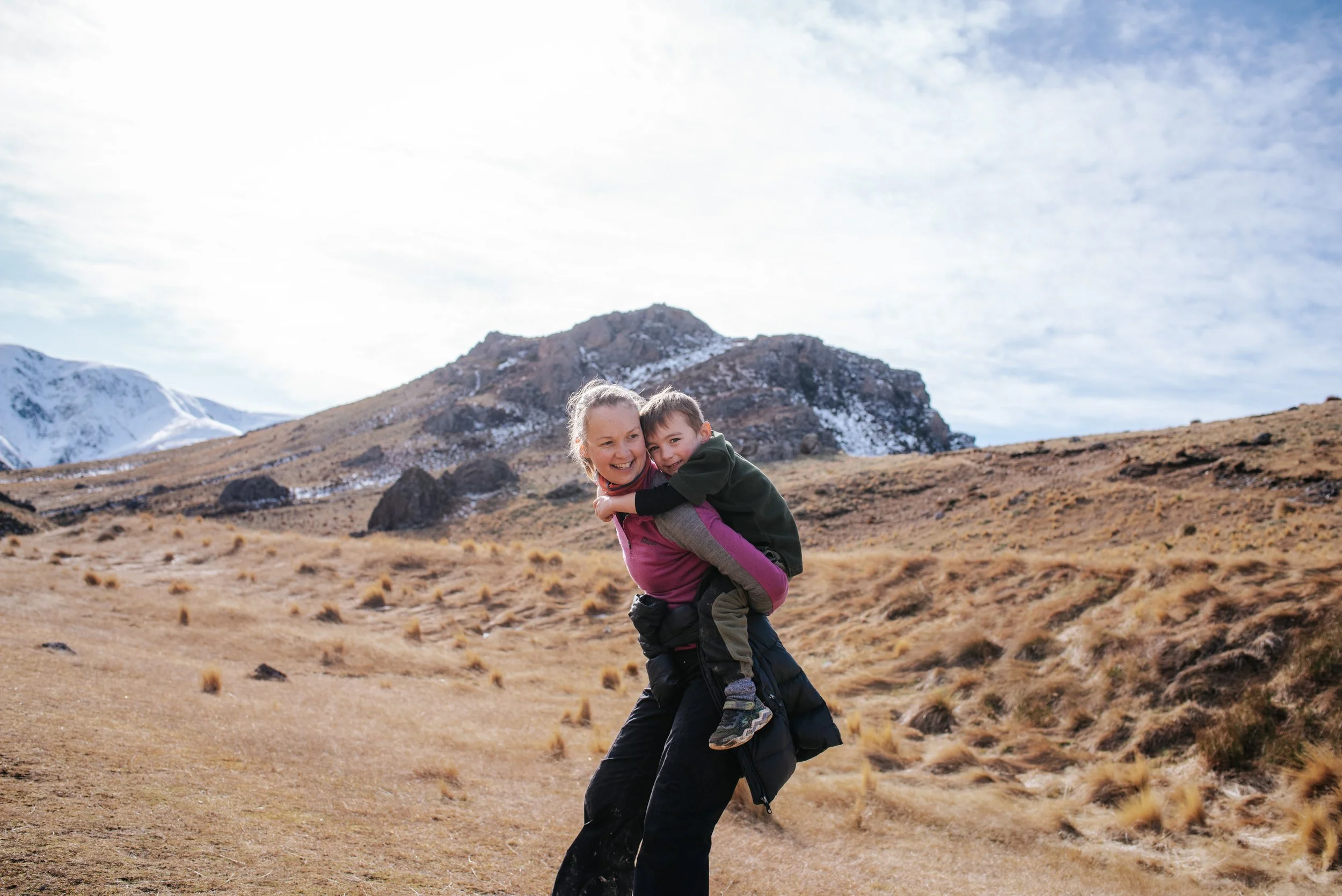
Functional Strength: Strength training isn't just about muscles; it's about maintaining the ability to do everyday life. Carrying shopping bags, lifting luggage, getting up from the floor, gardening, hiking, picking up children or grandchildren, and recovering if you trip, all require strength. Building muscle now is really an investment in future independence.
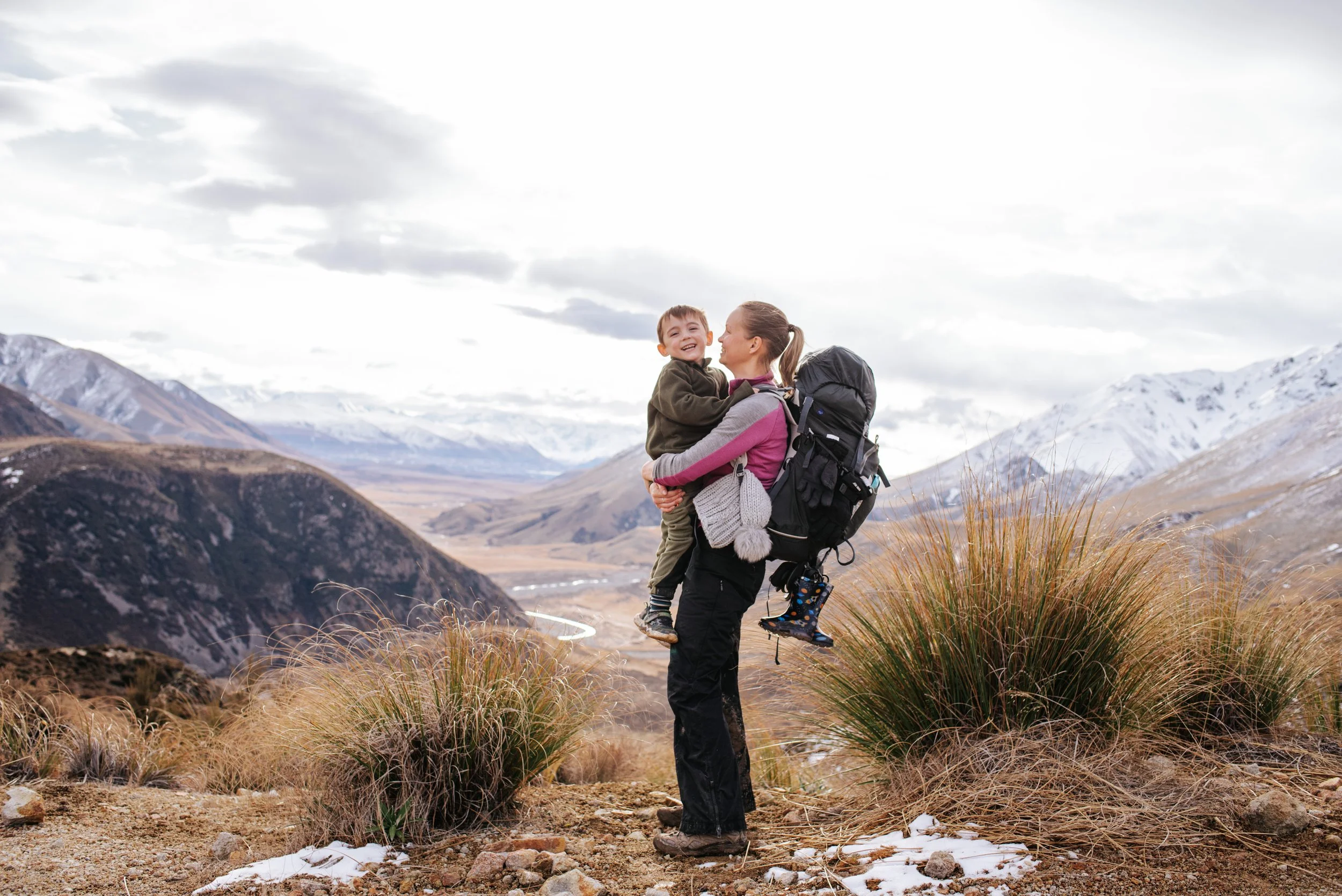
To do life well: As my son grows, there are many things he doesn’t want any more. But for now, he still loves cuddles and piggy backs. And as much as I appreciate him walking more of the track when we go hiking, I want to be able to keep carrying him for as long as possible. And maybe one day rock climbing and snowboarding will fit into our lives again, and I’d love to be strong to do that well. We also just got some stand up paddle boards so there are adventures to be had!
Why walking isn’t enough
Don't get me wrong: walking is fantastic. I walk regularly and encourage almost everyone to do more of it. It supports cardiovascular health, mental wellbeing, blood sugar regulation and longevity. But walking doesn't place enough load on the muscles and bones to maintain strength and bone density on its own. Rather than replacing walking, strength training fills a different role, helping preserve muscle, bone and functional capacity as we age.
Strong for the Long Haul
I'd still prefer a dance or yoga class over a gym session most days of the week. But I've come to see strength training less as exercise and more as an investment in future me. Future me wants strong bones, healthy muscles, stable blood sugar, fewer aches and pains, and the ability to keep doing the things I love for as long as possible.
That's why I lift weights, even though I don't love it.
So, do you lift weights? If not, is it something you’re interested in starting?
BTW I cant believe these photos were taken nearly 3 years ago! They’re still some of my favourites from our adventures. And I definitely needed some strength for this walk!